135
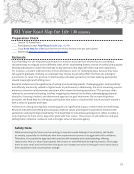
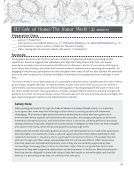
Safety Note (continued)
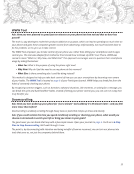
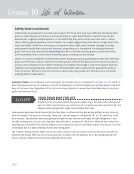
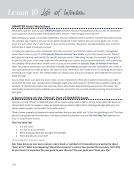
For many participants, dreaming and figuring out how to achieve their goals is challenging. This
exercise aims to show that they don’t need to know everything about achieving their goals they can fill
in the gaps by asking for help. Progress in life often requires reaching out to others. Helpers can come
in many forms: a cheerleader, a coach, a sounding board, a book, or a mentor.
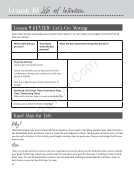
The most difficult part of this lesson is helping participants identify people who are available to help.
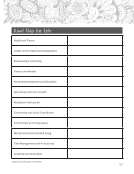
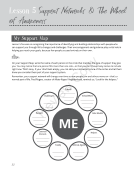
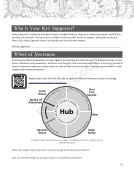
Use questions to guide them in identifying potential helpers, starting with those listed on their My
Support Map from Lesson 5 on page 22 of the journal.
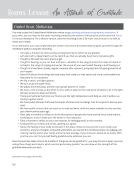
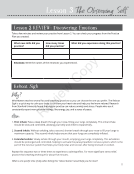
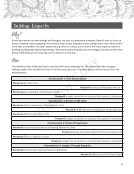
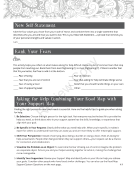
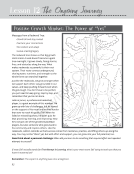
ASKING FOR HELP
Asking for help is a skill for success. Asking for help and using a support system are
essential for overcoming trauma and building a strong network of support. Even people
who are happy to help often wait to be asked before offering assistance. When we ask for help, we strengthen
our connection with our support system and, in some instances, may even create new support systems. We can
accomplish much more than we could on our own.
Why Don’t People Ask for Help?
Asking for help can be incredibly beneficial, so why don’t more people do it? Here are seven common reasons and
strategies to overcome these fears. Knowing that these concerns are widespread can be reassuring.
1. Fear of Failing: Many people hesitate to ask for help because they fear it means they’ve failed. You might
think, “I should be able to do this on my own,” or “If I ask, people will think I’ve messed everything up.” This
fear can hold you back from getting support when you need it most.
Strategy: Reframe failure as part of the learning process. Asking for help doesn’t mean you’ve failed it
means you’re committed to moving forward.
2. Fear of Being Out of Control: This fear often surfaces when dealing with long-ignored problems, like a
deteriorating relationship or an addiction. These problems can feel overwhelming. The sense of failure or
the belief that you can’t handle it can be overwhelming.
Strategy: Visualize the problem as a separate object. Imagine you and your helper working together to
tackle it.
3. Fear of Owing a Favor: The discomfort of feeling indebted can prevent people from seeking help. If past
helpers have used guilt or manipulated you, it’s understandable why you’d hesitate to ask again.
Strategy: Choose a helper who offers support joyfully and without strings attached. Shift your perspective
from feeling indebted to feeling grateful.
4. Fear of Appearing Weak: Many worry that asking for help will make them seem needy or incompetent.
Some people believe there is a stigma around asking for help. This is a common barrier to seeking
assistance.
Strategy: Recognize that seeking help is part of learning and growth. Even experts seek advice to improve
their work. Remind yourself that asking for help signifies you are supported and connected.
Let’s GO!
Safety Note (continued)
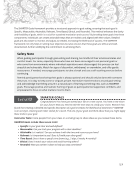
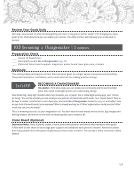
For many participants, dreaming and figuring out how to achieve their goals is challenging. This
exercise aims to show that they don’t need to know everything about achieving their goals they can fill
in the gaps by asking for help. Progress in life often requires reaching out to others. Helpers can come
in many forms: a cheerleader, a coach, a sounding board, a book, or a mentor.
The most difficult part of this lesson is helping participants identify people who are available to help.
Use questions to guide them in identifying potential helpers, starting with those listed on their My
Support Map from Lesson 5 on page 22 of the journal.
ASKING FOR HELP
Asking for help is a skill for success. Asking for help and using a support system are
essential for overcoming trauma and building a strong network of support. Even people
who are happy to help often wait to be asked before offering assistance. When we ask for help, we strengthen
our connection with our support system and, in some instances, may even create new support systems. We can
accomplish much more than we could on our own.
Why Don’t People Ask for Help?
Asking for help can be incredibly beneficial, so why don’t more people do it? Here are seven common reasons and
strategies to overcome these fears. Knowing that these concerns are widespread can be reassuring.
1. Fear of Failing: Many people hesitate to ask for help because they fear it means they’ve failed. You might
think, “I should be able to do this on my own,” or “If I ask, people will think I’ve messed everything up.” This
fear can hold you back from getting support when you need it most.
Strategy: Reframe failure as part of the learning process. Asking for help doesn’t mean you’ve failed it
means you’re committed to moving forward.
2. Fear of Being Out of Control: This fear often surfaces when dealing with long-ignored problems, like a
deteriorating relationship or an addiction. These problems can feel overwhelming. The sense of failure or
the belief that you can’t handle it can be overwhelming.
Strategy: Visualize the problem as a separate object. Imagine you and your helper working together to
tackle it.
3. Fear of Owing a Favor: The discomfort of feeling indebted can prevent people from seeking help. If past
helpers have used guilt or manipulated you, it’s understandable why you’d hesitate to ask again.
Strategy: Choose a helper who offers support joyfully and without strings attached. Shift your perspective
from feeling indebted to feeling grateful.
4. Fear of Appearing Weak: Many worry that asking for help will make them seem needy or incompetent.
Some people believe there is a stigma around asking for help. This is a common barrier to seeking
assistance.
Strategy: Recognize that seeking help is part of learning and growth. Even experts seek advice to improve
their work. Remind yourself that asking for help signifies you are supported and connected.
Let’s GO!