Lesson 12 The Ongoing Journey
142
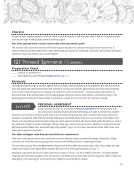
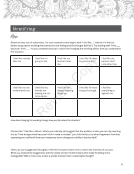
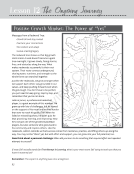
12.2 The Power of “Yet” |15 minutes
Preparation Check
_____Lesson 12 PowerPoint
_____Participant Journal: The Power of “Yet” (pg. 52)
Rationale
Another component of a positive growth mindset is the power of “Yet.” As we have discussed in Lesson 6,
developing a positive growth mindset is essential for fostering resilience, perseverance, and a lifelong love
of learning. Over the past eleven lessons, we have explored different aspects of a positive growth mindset.
This next lesson introduces another way of thinking: the “Not Yet” concept. The phrase “Not Yet” encourages
learners to view challenges as part of the growth process rather than permanent setbacks. Research shows
that adopting a growth mindset is associated with greater motivation and improved performance, particularly
when facing difficulties.3 By framing abilities as improvable with effort, individuals are more likely to engage in
problem-solving, seek feedback, and put in the work needed to overcome obstacles.4
A key element of a growth mindset is recognizing the role of community and context. Like redwood trees
whose shallow roots interlock for strength, people benefit from supportive relationships and environments.
Large-scale evidence shows that growth-mindset interventions are more effective in supportive contexts.5
Conversely, contexts that communicate fixed-ability beliefs can undermine motivation instructors who hold
entity (fixed) mindsets tend to offer comfort-oriented feedback that inadvertently demotivates students.6
Together, these findings emphasize that personal success is both an individual and a collective endeavor.
Positive role models can make a growth mindset tangible. For instance, LeBron James has publicly framed
setbacks as learning opportunities and invested in continuous improvement.7 Incorporating such examples
into growth-mindset activities helps participants internalize perseverance, adaptability, and the power of “yet.”
By emphasizing that abilities develop through effort and reflection, these activities nurture a robust, resilient
mindset.
Safety Note
Safety is a top priority when discussing and teaching a growth mindset, as participants may encounter
emotional discomfort or recall past challenges that were particularly difficult. It’s important to continue
to create a supportive environment where participants feel safe expressing their thoughts and
experiences. Establish ground rules for respectful communication, emphasizing that all feelings and
experiences are valid. Encourage participants to practice self-compassion, acknowledging that learning
and growth come with setbacks and difficulties. Remind them that it’s okay to take a break or seek
support if the discussion feels overwhelming, and let them know that their well-being is more important
than completing any activity.
Additionally, be mindful of individual differences among participants, as some may face unique
challenges such as learning disabilities, mental health issues, or trauma. In these cases, emphasize that
the concept of “Not Yet” is a personal journey and looks different for everyone.
142
12.2 The Power of “Yet” |15 minutes
Preparation Check
_____Lesson 12 PowerPoint
_____Participant Journal: The Power of “Yet” (pg. 52)
Rationale
Another component of a positive growth mindset is the power of “Yet.” As we have discussed in Lesson 6,
developing a positive growth mindset is essential for fostering resilience, perseverance, and a lifelong love
of learning. Over the past eleven lessons, we have explored different aspects of a positive growth mindset.
This next lesson introduces another way of thinking: the “Not Yet” concept. The phrase “Not Yet” encourages
learners to view challenges as part of the growth process rather than permanent setbacks. Research shows
that adopting a growth mindset is associated with greater motivation and improved performance, particularly
when facing difficulties.3 By framing abilities as improvable with effort, individuals are more likely to engage in
problem-solving, seek feedback, and put in the work needed to overcome obstacles.4
A key element of a growth mindset is recognizing the role of community and context. Like redwood trees
whose shallow roots interlock for strength, people benefit from supportive relationships and environments.
Large-scale evidence shows that growth-mindset interventions are more effective in supportive contexts.5
Conversely, contexts that communicate fixed-ability beliefs can undermine motivation instructors who hold
entity (fixed) mindsets tend to offer comfort-oriented feedback that inadvertently demotivates students.6
Together, these findings emphasize that personal success is both an individual and a collective endeavor.
Positive role models can make a growth mindset tangible. For instance, LeBron James has publicly framed
setbacks as learning opportunities and invested in continuous improvement.7 Incorporating such examples
into growth-mindset activities helps participants internalize perseverance, adaptability, and the power of “yet.”
By emphasizing that abilities develop through effort and reflection, these activities nurture a robust, resilient
mindset.
Safety Note
Safety is a top priority when discussing and teaching a growth mindset, as participants may encounter
emotional discomfort or recall past challenges that were particularly difficult. It’s important to continue
to create a supportive environment where participants feel safe expressing their thoughts and
experiences. Establish ground rules for respectful communication, emphasizing that all feelings and
experiences are valid. Encourage participants to practice self-compassion, acknowledging that learning
and growth come with setbacks and difficulties. Remind them that it’s okay to take a break or seek
support if the discussion feels overwhelming, and let them know that their well-being is more important
than completing any activity.
Additionally, be mindful of individual differences among participants, as some may face unique
challenges such as learning disabilities, mental health issues, or trauma. In these cases, emphasize that
the concept of “Not Yet” is a personal journey and looks different for everyone.