Lesson 1 Self-Soothing
12
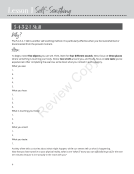
1.5 5-4—3—2—1 Skill |5 minutes
Preparation Check
_____Lesson 1 PowerPoint
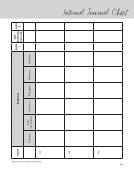
_____Participant Journal: 5–4–3–2–1 Skill (pg. 4)
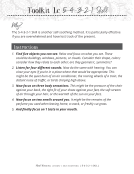
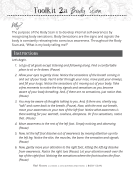
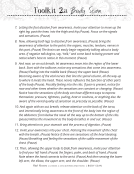
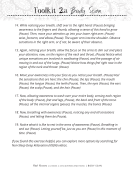
_____Toolkit Exercise: 1.c 5–4–3–2–1 Skill
_____(Optional) Mind Matters Minutes: 5–4–3–2–1 Skill
Rationale
The 5–4–3–2–1 Skill is a widely used sensory-based method aimed at anchoring individuals in the present
moment during periods of emotional distress or dissociation. Grounding strategies such as this—involving
sensory recall—have been shown to help individuals reorient to the “here and now” and step away from
overwhelming internal experiences,¹⁷ promoting emotional stabilization and reducing the intensity of
flashbacks or intrusive memories.¹⁸ This technique aligns with broader findings that sensory-based
mindfulness and grounding exercises effectively support emotion regulation, reduce anxiety, and enhance
attentional control.¹⁹ By guiding individuals to focus sequentially on what they can see, hear, touch, smell,
and taste, the 5–4–3–2–1 Skill provides a rapid and accessible strategy to restore calm and presence during
overwhelming moments.
5–4–3–2–1 SKILL
The 5–4–3–2–1 Skill is a helpful way to calm yourself and stay focused. It does two things:
first, it makes you more aware of the present moment by using your five senses (what you
see, hear, smell, taste, and touch) second, it helps when you feel your legs shaking, experience tremors, have shallow
breathing from flashbacks, or feel overwhelmed, distracted, or anxious. You can use it anywhere, whether you are at
school, at work, at home, or traveling.
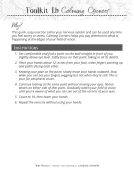
Lead the 5–4–3–2–1 Skill
Instructor Note: Use the instructions for the 1.c 5–4–3–2–1 Skill located in the Toolkit. Feel free to copy these
instructions for this lesson. You can also use the Mind Matters Minutes: 5–4–3–2–1 Skill video to teach this skill.
Process the 5–4–3–2–1 Skill
Ask: When you used the 5–4–3–2–1 Skill today, what did you notice? What did you see, hear, touch, smell, and
taste? How did paying attention to these things affect your mood? How might you use this skill again to help
manage stress in your daily life?
People have used the 5–4–3–2–1 Skill in many ways. Residents of a group home reported using it when conflicts arose
or when the environment became disorganized. It starts when one person calls out “5,” prompting the rest of the
group to follow with “4–3–2–1.” By the end, the entire group felt calmer.
Another use is noticing that every day has beautiful moments if you take a moment to notice them. The 5-4-3-2-1
Skill helps you do this. Whether it is sunlight through trees, a cool breeze, kids playing, or people holding hands, there
is wonder all around. Pause to appreciate these moments and the feelings they bring. Doing this daily can help you
handle stress better. The 5–4–3–2–1 Skill instructions are located on page 4 of your journal.
Let’s GO!
12
1.5 5-4—3—2—1 Skill |5 minutes
Preparation Check
_____Lesson 1 PowerPoint
_____Participant Journal: 5–4–3–2–1 Skill (pg. 4)
_____Toolkit Exercise: 1.c 5–4–3–2–1 Skill
_____(Optional) Mind Matters Minutes: 5–4–3–2–1 Skill
Rationale
The 5–4–3–2–1 Skill is a widely used sensory-based method aimed at anchoring individuals in the present
moment during periods of emotional distress or dissociation. Grounding strategies such as this—involving
sensory recall—have been shown to help individuals reorient to the “here and now” and step away from
overwhelming internal experiences,¹⁷ promoting emotional stabilization and reducing the intensity of
flashbacks or intrusive memories.¹⁸ This technique aligns with broader findings that sensory-based
mindfulness and grounding exercises effectively support emotion regulation, reduce anxiety, and enhance
attentional control.¹⁹ By guiding individuals to focus sequentially on what they can see, hear, touch, smell,
and taste, the 5–4–3–2–1 Skill provides a rapid and accessible strategy to restore calm and presence during
overwhelming moments.
5–4–3–2–1 SKILL
The 5–4–3–2–1 Skill is a helpful way to calm yourself and stay focused. It does two things:
first, it makes you more aware of the present moment by using your five senses (what you
see, hear, smell, taste, and touch) second, it helps when you feel your legs shaking, experience tremors, have shallow
breathing from flashbacks, or feel overwhelmed, distracted, or anxious. You can use it anywhere, whether you are at
school, at work, at home, or traveling.
Lead the 5–4–3–2–1 Skill
Instructor Note: Use the instructions for the 1.c 5–4–3–2–1 Skill located in the Toolkit. Feel free to copy these
instructions for this lesson. You can also use the Mind Matters Minutes: 5–4–3–2–1 Skill video to teach this skill.
Process the 5–4–3–2–1 Skill
Ask: When you used the 5–4–3–2–1 Skill today, what did you notice? What did you see, hear, touch, smell, and
taste? How did paying attention to these things affect your mood? How might you use this skill again to help
manage stress in your daily life?
People have used the 5–4–3–2–1 Skill in many ways. Residents of a group home reported using it when conflicts arose
or when the environment became disorganized. It starts when one person calls out “5,” prompting the rest of the
group to follow with “4–3–2–1.” By the end, the entire group felt calmer.
Another use is noticing that every day has beautiful moments if you take a moment to notice them. The 5-4-3-2-1
Skill helps you do this. Whether it is sunlight through trees, a cool breeze, kids playing, or people holding hands, there
is wonder all around. Pause to appreciate these moments and the feelings they bring. Doing this daily can help you
handle stress better. The 5–4–3–2–1 Skill instructions are located on page 4 of your journal.
Let’s GO!